How to Use Natural Light in Real Estate Photography: 7 Pro Tips
Master the art of lighting to create bright, airy, and high-converting property listings.
The Secret Ingredient to Listings That Sell
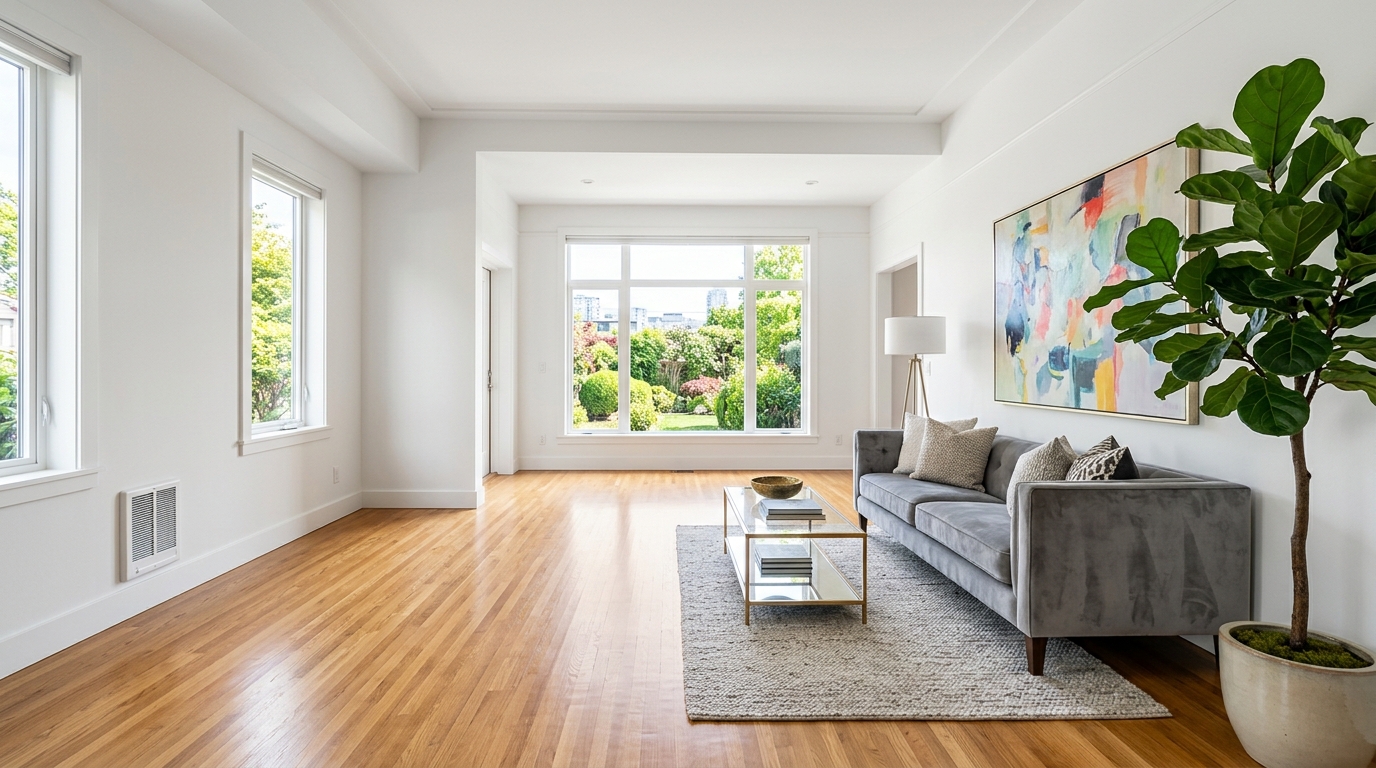
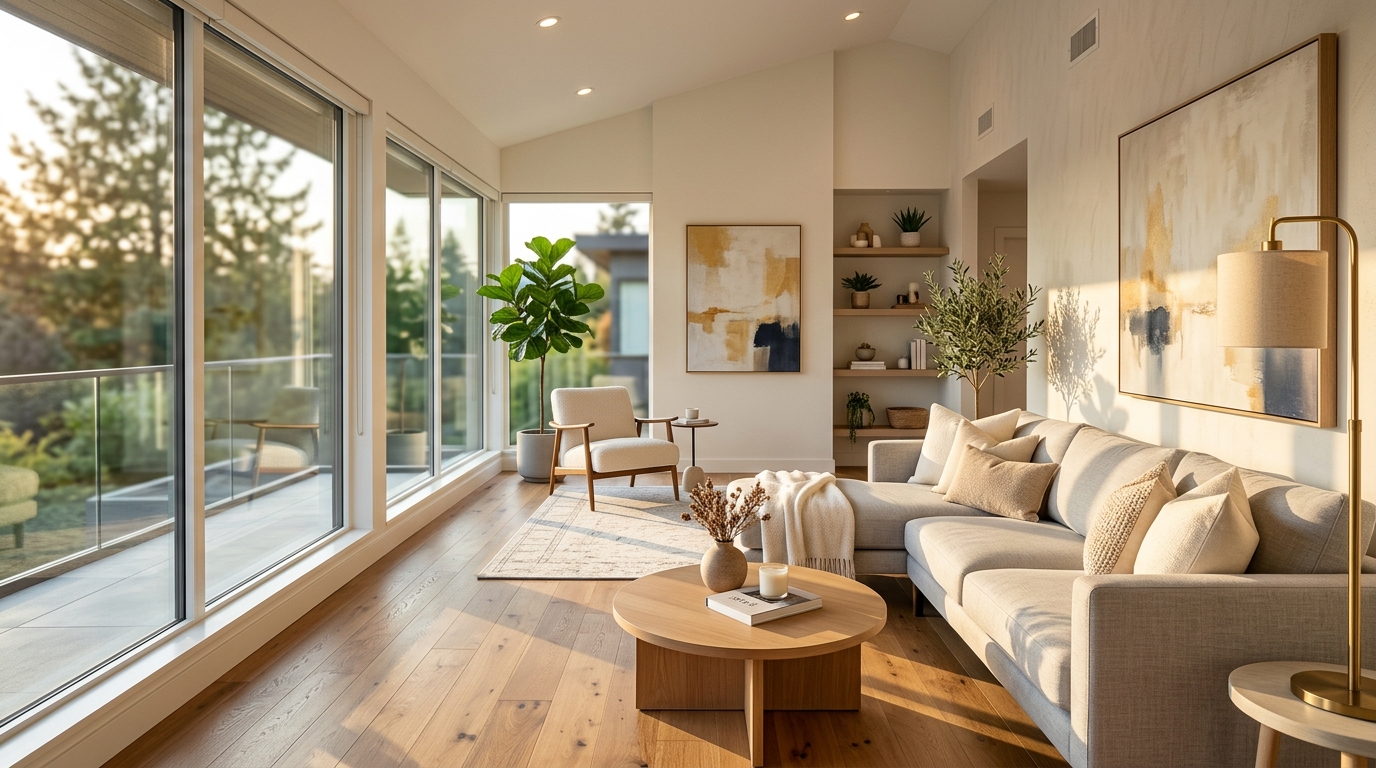
Have you ever scrolled through a real estate portal and stopped dead in your tracks because a living room looked so warm and inviting you could almost feel the sun on your face? That isn’t just a nice house; it’s the power of natural light in real estate photography.
Light is more than just a technical requirement for a clear image. It’s an emotional trigger. It tells a story of morning coffees in a sun-drenched breakfast nook or lazy Sunday afternoons in a bright, airy master suite. For real estate professionals, mastering natural light is the fastest way to elevate your brand and make your listings stand out in a crowded market. If you've been relying solely on heavy-handed flash or struggling with dark, grainy corners, it's time to let the sun do the heavy lifting.
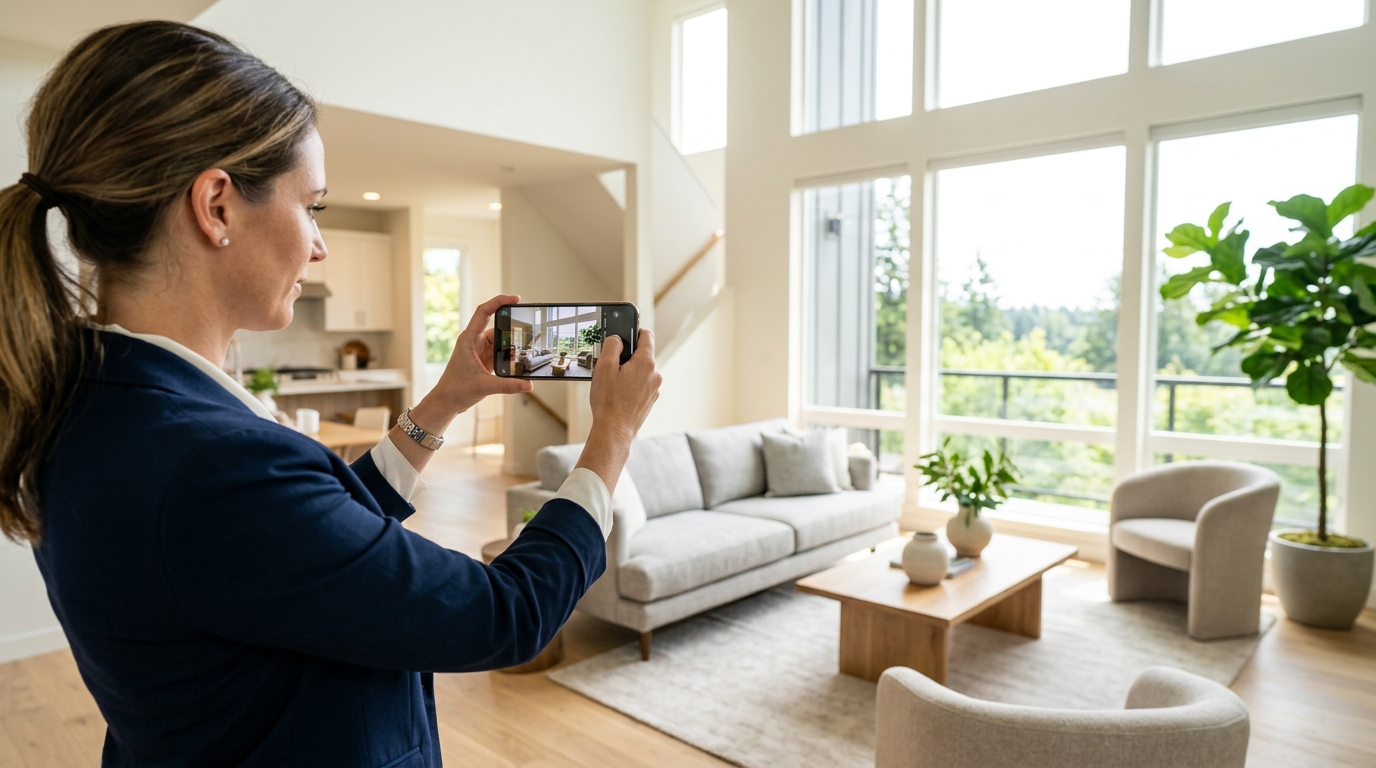
In this guide, we’re diving deep into the world of natural illumination. We’ll cover everything from timing your shoots to managing tricky window exposures so you can produce the kind of high-end visuals that justify your expertise and your commission. If you're still working on your gear setup, you might find our guide on 7 Real Estate Smartphone Photography Tips for Pro-Quality Listing Photos a great place to start before jumping into these pro-level lighting strategies.
Why Natural Light Wins Over Artificial Light
Before we get into the "how," let’s talk about the "why." While professional strobe lighting has its place, natural light offers several distinct advantages for real estate:
- Authenticity: Buyers want to see what the home actually looks like. Natural light provides a true-to-life feel that artificial flashes can sometimes distort.
- Speed: Setting up a multi-point lighting rig takes time. Using the sun allows you to move through a property faster without sacrificing quality.
- Perceived Space: Bright, natural light has a magical way of making rooms feel larger. This is particularly important when you're trying to figure out how to photograph small spaces effectively.
1. Timing is Everything: The Sun’s Path
The first rule of natural light photography is acknowledging that you aren't in control—the sun is. Professional real estate photographers don't just show up at 2:00 PM and hope for the best; they plan their day around the compass.
Ideally, you want to shoot a room when the sun is on the opposite side of the house. Why? Because direct sunlight streaming through a window creates "hot spots"—harsh, blown-out patches of white on the floor or furniture that are nearly impossible to fix in post-processing. You want the soft, reflected light that comes from a north-facing window or a room where the sun isn't directly hitting the glass.
Pro Tip: Use an app like SunCalc or Lumos to track the sun’s trajectory for a specific address. If the front of the house faces East, shoot the exterior and front rooms in the morning. If the backyard is the selling point, wait for the afternoon glow.
2. The Great "Lights On or Off" Debate
This is a polarizing topic in the real estate world. Should you turn on the interior lights or leave them off?
If you are aiming for a modern, high-end, "architectural" look, turn the lights off. Most interior light bulbs have a different "color temperature" than natural daylight. Incandescent bulbs are orange/yellow, while daylight is blue/white. When you mix them, you get weird color casts that make white walls look muddy and yellowed.
However, if a room is windowless (like a basement bathroom), you’ll need the lights on. In these cases, try to use bulbs that are daylight-balanced. For luxury listings where you want a specific mood, you might even consider shifting to a different time of day entirely. Check out our 7 Twilight Photography Tips to Make Luxury Listings Stand Out for a deeper look at how light changes after sunset.
3. Use Clouds as Your Personal Softbox
Many agents panic when they see a cloudy forecast on shoot day. Don't! In many ways, an overcast day is a real estate photographer's best friend.
The clouds act as a giant diffuser, softening the sun's rays and spreading them evenly across the landscape. This eliminates those harsh shadows and bright hot spots we mentioned earlier. On a cloudy day, the light inside the house is consistent and easy to manage. The only downside is that the view out the window might look a bit grey, but that is an easy fix in editing compared to fixing a room full of jagged shadows.
4. Manage Your Windows with Exposure Bracketing
One of the biggest challenges with natural light is the "dynamic range." The human eye is amazing—it can see the detail in a dark corner and the detail of the garden outside the window at the same time. Cameras? Not so much. Usually, if the room looks good, the window is a white blob. If the window looks good, the room is a dark cave.
The pro solution is Exposure Bracketing (HDR).
- Set your camera on a tripod (this is non-negotiable).
- Take 3 to 5 photos of the same scene at different brightness levels (one very dark, one medium, one very bright).
- Merge them using software like Adobe Lightroom or Enfuse.
This allows you to pull the beautiful natural light from the bright shots and the crisp window views from the dark shots, creating a single, perfectly balanced image.
5. Prep the Scene: Curtains, Blinds, and Cleanliness
Before you click the shutter, you need to stage the light. Natural light is only as good as the portals it enters through.
- Open every curtain: Pull them back as far as they’ll go. If the curtains are heavy or dark, consider pinning them back temporarily.
- Angle the blinds: If you must keep blinds down for privacy or to hide a neighbor's trash cans, angle the slats so they point upward. This bounces light toward the ceiling, which then reflects back down into the room, creating a soft glow.
- Clean the glass: Natural light highlights every smudge, fingerprint, and dog nose print on a window. A quick spray of glass cleaner can significantly improve the clarity of your shots.
6. Use Reflectors to Fill Shadows
Sometimes, even with great window light, one side of a room remains stubbornly dark. You don't need a flash to fix this. A simple, inexpensive 5-in-1 reflector can work wonders.
By placing a white or silver reflector just out of the frame on the dark side of the room, you can bounce that beautiful window light back into the shadows. It’s a subtle touch that makes a huge difference in how "expensive" a room looks. This is a favorite trick for professional architectural photographers who want to maintain the integrity of natural shadows while ensuring every corner of the property is visible.
7. Post-Processing: Don’t Overdo It
The goal of natural light photography is to look... natural. When editing your photos, avoid the temptation to crank the "Saturation" or "HDR" sliders to the max.
Focus on:
- White Balance: Ensure your whites are actually white, not blue or yellow.
- Verticals: Make sure your walls are perfectly straight.
- Shadow Recovery: Gently lift the shadows so the viewer can see the texture of the flooring and the details in the corners.
If you're finding that the natural light just isn't doing enough for a vacant property, you might consider how virtual staging can complement your lighting by adding furniture that reflects and interacts with that light naturally.
The Bottom Line
Natural light is the most powerful tool in your marketing arsenal, and the best part? It’s completely free. By understanding the sun's path, mastering exposure bracketing, and knowing when to turn the interior lights off, you'll create listing photos that don't just show a house—they sell a lifestyle.
Remember, your photos are often the very first interaction a buyer has with your listing. Make it count. When you harness the sun effectively, you aren't just taking pictures; you're creating a vision of home that buyers can't wait to see in person.
Ready to Take Your Listings to the Next Level?
At The Listing Showcase, we help agents transform their properties into premium visual experiences. From professional photography to immersive tours, we give you the tools to win more listings and sell them faster. Contact us today to see how we can brighten your marketing strategy.