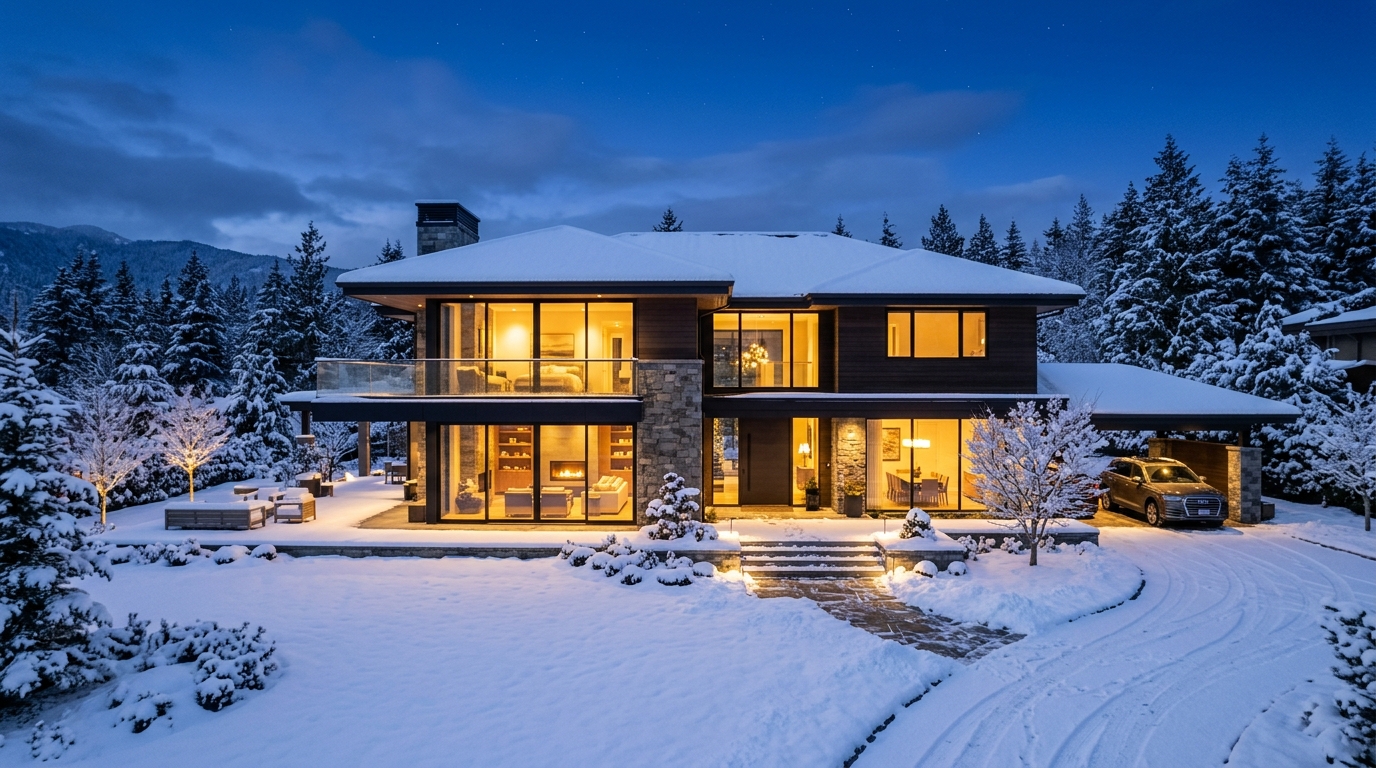
7 Real Estate Copywriting Tips to Make Your Property Descriptions Pop
Stop writing boring listings and start telling stories that sell homes faster.
The Secret Language of Six-Figure Listings
We’ve all been there. You’ve just finished a long day of showings, your coffee is cold, and you’re staring at a blank screen on the MLS backend. The property is great—a charming three-bedroom ranch with a renovated kitchen—but for some reason, the words just won't come. You find yourself typing the same old phrases: 'Move-in ready,' 'Great curb appeal,' 'Chef’s kitchen.'
Here’s the hard truth: If your listing description sounds like every other house on the block, you're leaving money on the table. In a market where buyers are scrolling through hundreds of photos a day, your copy needs to do more than just list the number of bathrooms. It needs to make them feel something.
Think of your property description as the voice of the home. While your photos are the hook that stops the scroll, your copy is the conversation that builds the relationship. If you want to stand out, you need to master the art of real estate copywriting. Let’s dive into seven actionable tips to make your property descriptions pop and convert browsers into buyers.
1. Sell the Lifestyle, Not Just the Square Footage
One of the biggest mistakes agents make is focusing purely on the physical attributes of a home. Yes, the buyer needs to know there are three bedrooms, but they also want to know what their life will look like in those rooms. This is where understanding buyer psychology secrets becomes your greatest competitive advantage.
Instead of saying 'large backyard,' try 'the perfect setting for summer BBQs and evening stargazing.' Instead of 'renovated kitchen,' try 'a bright, modern space where your morning coffee feels like a luxury retreat.' You aren't just selling a building; you're selling a future version of the buyer’s life. Ask yourself: What is the best part of living here? Is it the way the light hits the breakfast nook at 7:00 AM? Is it the short walk to the local bakery? Find that 'magic moment' and write about it.
2. Master the 'Hook' (The First 100 Characters)
On most mobile apps and search portals, the first sentence or two is all the buyer sees before they have to click 'read more.' If your first sentence is 'Welcome to this beautiful home located in a quiet cul-de-sac,' you’ve already lost them. They’ve read that sentence a thousand times.
Your hook should be bold, specific, and benefit-driven. It should answer the question: 'Why should I care about this house?'
- Bad: Great 4-bedroom home with many upgrades.
- Good: Imagine waking up to panoramic mountain views and the smell of fresh pine every single morning.
- Good: The ultimate entertainer's dream, featuring a seamless indoor-outdoor flow and a professional-grade kitchen.
Start with the home’s biggest 'wow' factor. If the property is high-end, you need to use language that justifies the price point. For more on this, check out our guide on how to market a luxury listing.
3. Use Sensory Language and Power Words
Adjectives are a copywriter’s best friend, but only if they are used correctly. Generic adjectives like 'nice,' 'big,' and 'beautiful' are filler. They don't paint a picture. To make your descriptions pop, use sensory language that evokes sight, sound, and touch.
Instead of 'hardwood floors,' use 'gleaming wide-plank oak floors.' Instead of 'quiet neighborhood,' use 'serene, tree-lined streets where the only sound is the rustle of leaves.'
Power Words to Consider:
- Sun-drenched: Better than 'bright.'
- Expansive: Better than 'large.'
- Meticulous: Better than 'clean.'
- Ensuite: Better than 'private bathroom.'
- Sanctuary: Better than 'master bedroom.'
By swapping out tired clichés for vivid imagery, you create a mental walk-through for the buyer before they ever step foot on the property.
4. Structure for the 'Skimmers'
Let’s be honest: most people don't read every word of a listing. They skim. If you present them with a giant wall of text, they’ll skip right over it. Effective real estate copywriting is as much about formatting as it is about the words themselves.
Break your description into digestible chunks. Use short paragraphs (2-3 sentences max). If the MLS allows it, use bullet points for a list of key features. A great structure looks like this:
- The Hook: One punchy sentence.
- The Narrative: A paragraph describing the flow and lifestyle of the home.
- The Highlights: A bulleted list of the most important upgrades or features.
- The Neighborhood: A quick nod to local amenities.
- The Call to Action: Tell them what to do next.
This structure also helps when you're repurposing your copy. For instance, if you're creating a video tour, you can easily adapt these sections into a script. Learning how to write real estate listing video scripts is a natural next step once you've mastered the written word.
5. Be Specific with Upgrades and Brands
Vagueness is the enemy of a high-converting listing. If a kitchen has been renovated, buyers want to know the details. 'High-end appliances' is okay, but 'Sub-Zero refrigerator and Wolf professional range' is much better. Specificity builds trust and justifies the asking price.
Mention the brand of the HVAC system if it's top-tier. Note the type of stone used for the countertops (e.g., Carrara marble vs. just 'stone'). Mention the specific smart home features, like a Nest thermostat or Ring security system. These details provide tangible value in the buyer’s mind and make the home feel more 'premium' than the competition.
6. Address the 'Elephant in the Room' Tactfully
Every house has a flaw. Maybe it’s on a busy street, or the backyard is small, or the layout is a bit quirky. Instead of ignoring it—which leads to disappointed buyers during showings—find a way to frame it positively or pivot to a strength.
If the house is on a busy road, focus on the 'unbeatable convenience and easy commute.' If the yard is small, call it 'low-maintenance, urban oasis perfect for busy professionals.' By being honest but strategic, you attract the right buyers who won't be turned off by those specific features, saving you time and energy in the long run.
7. End with a Strong Call to Action (CTA)
You’ve painted the picture, you’ve listed the features, and the buyer is interested. Don't just let the description fizzle out! You need to tell them exactly what to do next. A strong CTA creates a sense of urgency and directs the buyer's energy.
Avoid the boring 'Call today for a showing.' Try something more engaging:
- 'Schedule your private tour today and see the sunset from the back deck for yourself.'
- 'Don’t miss your chance to own this piece of [Neighborhood] history—book a viewing before it’s gone.'
- 'Come see why this is the most talked-about kitchen in the zip code. Open house this Sunday!'
Summary: Writing to Win
Real estate copywriting isn't about being a professional novelist; it’s about being an effective storyteller. When you stop listing facts and start sharing the 'why' behind a home, you connect with buyers on an emotional level. Remember to sell the lifestyle, hook them early, use sensory language, and always, always lead with a strong call to action.
Next time you're sitting in front of that blank MLS screen, take a breath. Imagine the person who is going to fall in love with that house. Write for them, and you’ll see your listing engagement—and your conversion rates—soar.