How to Market Winter Listings: Tips for Stunning Cold-Weather Photos
Turn the 'off-season' into your peak season with visual strategies that sell homes in the snow.
The Winter Listing Dilemma: From Drab to Dreamy
You’ve seen the photos. A listing hits the MLS in January, and it looks... well, depressing. The grass is a dormant shade of brown, the sky is the color of wet concrete, and the house itself looks cold, lonely, and uninviting. It’s no wonder many agents tell their sellers to wait until spring. But here’s the secret: winter buyers are often the most serious buyers. They aren’t just window shopping on a sunny Sunday; they are looking for a home because they need one.
Knowing how to market winter listings effectively gives you a massive competitive edge. While other agents are waiting for the tulips to pop, you can be closing deals by leaning into the unique aesthetic of the season. To do that, you need more than just a camera; you need a strategy to make a property feel like a sanctuary from the cold. Let’s dive into how you can capture stunning cold-weather photos that stop the scroll and get those showings booked.
1. Master the Art of Snow Photography
Snow can be your best friend or your worst enemy. On one hand, a fresh blanket of white powder can cover up a lackluster lawn and make a home look like a scene from a holiday card. On the other hand, cameras are notoriously bad at photographing snow. By default, your camera’s light meter wants to turn that bright white snow into a muddy gray. To fix this, you (or your photographer) need to manually adjust the exposure compensation, usually bumping it up by +1 or +2 stops to ensure the snow looks crisp and bright.
Timing is everything here. You want to photograph the exterior immediately after a snowfall before the neighborhood kids build a lumpy snowman in the front yard or the snow turns into gray slush by the curb. For more ideas on perfecting the first impression, check out these 7 curb appeal photography tips to boost online listing click-throughs.
2. Leverage the 'Blue Hour' for Maximum Impact
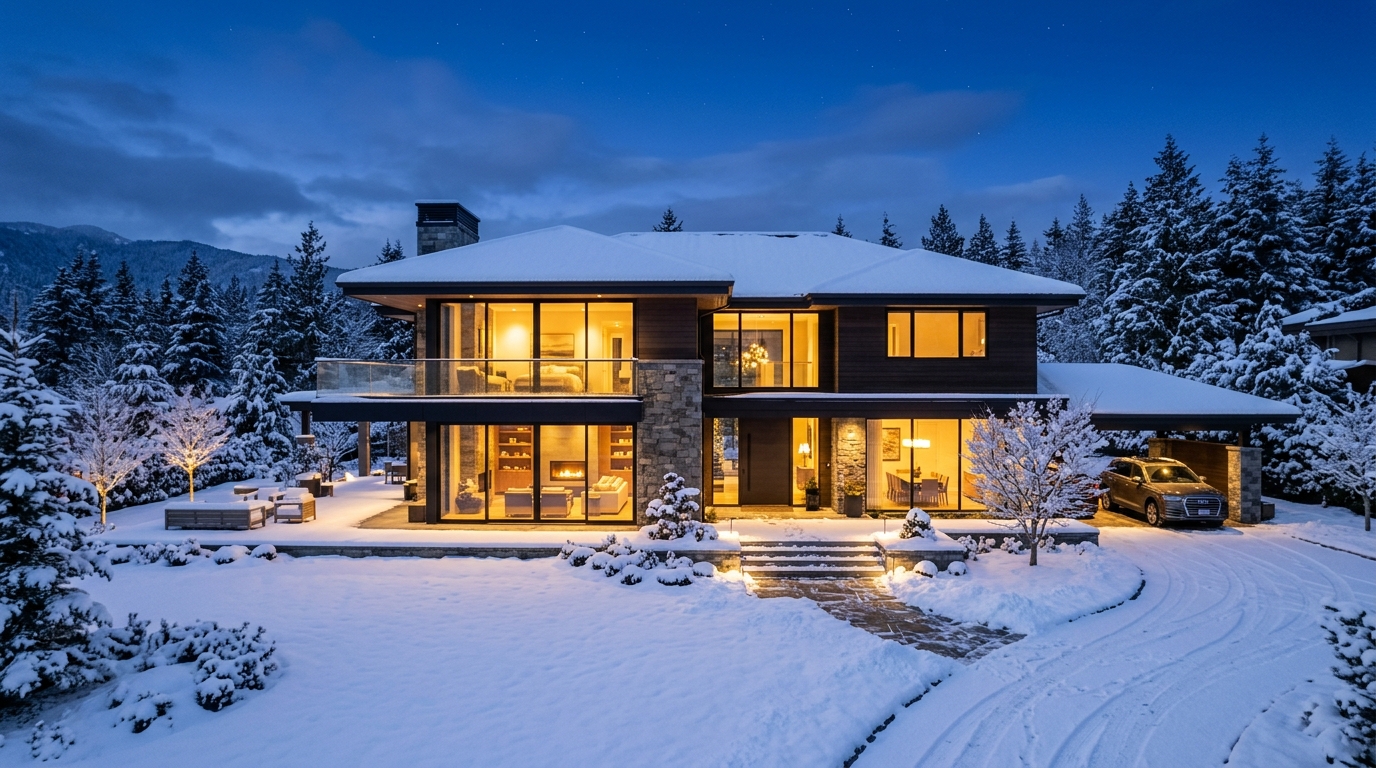
Since the sun sets so early in the winter, you have a golden opportunity to utilize twilight photography. There is a specific window—about 20 to 30 minutes after sunset—known as the "Blue Hour." During this time, the sky turns a deep, rich indigo that creates a stunning contrast with the warm, golden glow of the home’s interior lights.
In the winter, this contrast is even more powerful. The cold blue of the exterior makes the home look like a warm, safe haven. It triggers a psychological response in buyers: they want to be inside that house. This is a primary reason why twilight photography increases listing views and buyer inquiries. It transforms a standard house into an aspirational lifestyle.
3. Create 'Cozy' Interior Scenes
When you market winter listings, the interior photos should scream "warmth." This is the time to go all-in on texture and light. If the home has a fireplace, light it! There is nothing more inviting than a high-resolution shot of a crackling fire in a stone hearth. If it's a gas fireplace, make sure it’s on for every shot in that room.
Practical Staging Tips for Winter:
- Layer the Textiles: Add a chunky knit throw over the arm of the sofa and plush pillows to the beds.
- Warm Up the Bulbs: Ensure all light bulbs in the house are the same color temperature (ideally 2700K to 3000K) to avoid a sterile, clinical feel.
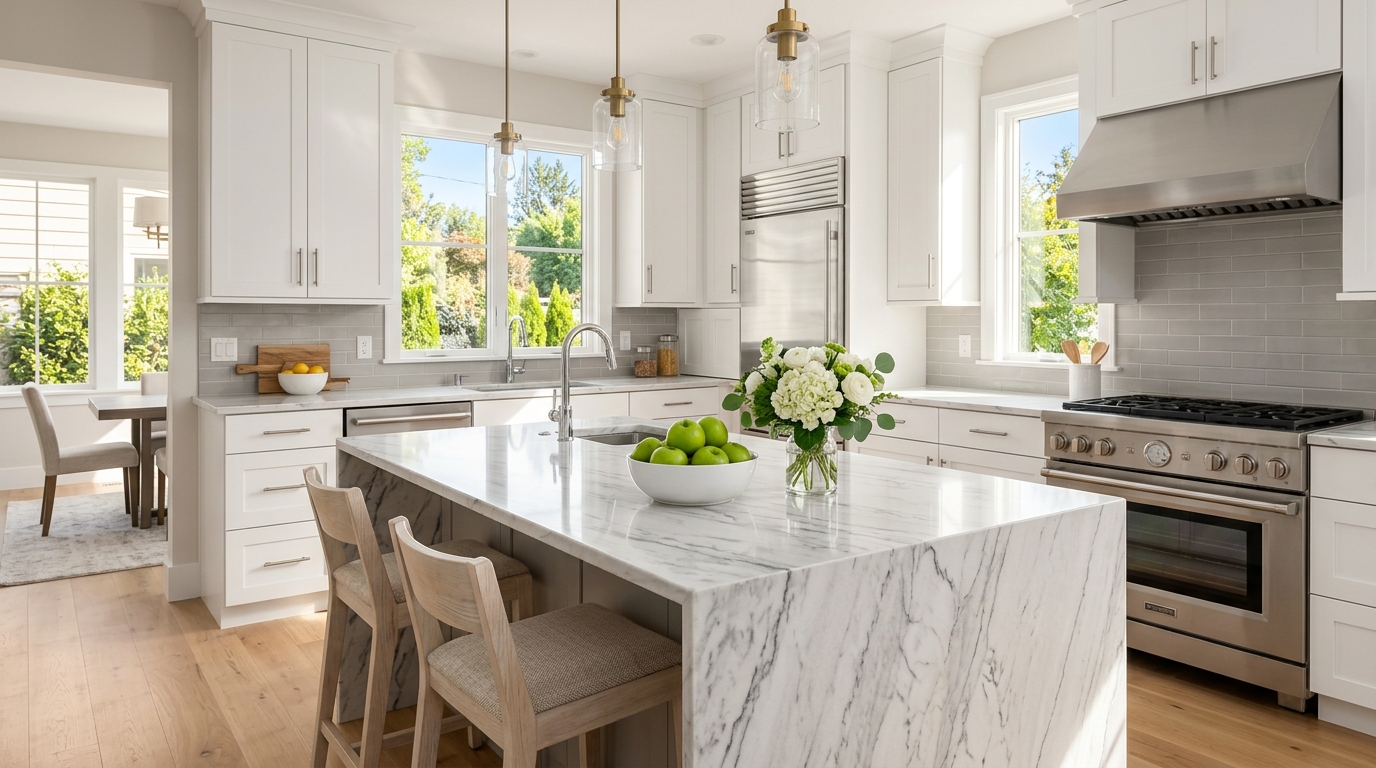
- Simulate Life: A tray with two mugs of cocoa or a bowl of oranges on the kitchen island adds a pop of color and a sense of "home" that empty rooms lack.
If the home is vacant, don't leave it to the buyer's imagination. You might consider the virtual staging vs. physical staging debate; in winter, virtual staging can be a lifesaver, allowing you to add that fireplace glow and cozy furniture without moving a single sofa through a snowdrift.
4. The 'Post-Production' Rescue
Sometimes, the weather just doesn't cooperate. If you’re stuck with a day that is overcast and flat, post-production is your secret weapon. Professional real estate editors can perform "sky replacements," swapping out a depressing gray sky for a soft blue one or a vibrant sunset. This isn't about being deceptive; it's about showing the property in its best possible light.
Furthermore, if you’re dealing with a "brown" winter (where there’s no snow but the grass is dead), editors can perform a "green-up" on the lawn. However, use this with caution. You want the photos to be an accurate representation of the property while still being visually appealing.
5. Don’t Forget the Amenities (Even the Frozen Ones)
Just because it's cold doesn't mean you should ignore the outdoor living spaces. If the home has a hot tub, take a photo of it with the cover off and steam rising into the cold air. If there’s a fire pit, get a shot of it lit up at dusk. These features are highly desirable in winter and help buyers visualize how they will actually use the space during the colder months.
Remember, you aren't just selling a house; you're selling a lifestyle. Show them that this home is the perfect place to host a winter dinner party or curl up with a book while the wind howls outside.
6. Use Drones to Show Proximity
Winter can make a property feel isolated. Use drone photography to show the home's proximity to plowed main roads, local coffee shops, or parks. A bird's-eye view of a snow-covered neighborhood can be incredibly peaceful and highlights the property's place within the community. Just be sure to fly on a clear day; falling snow can interfere with drone sensors and result in blurry images.
7. Actionable Checklist for Your Winter Shoot
Before you head out to your next winter listing, run through this quick checklist to ensure you get the best possible results:
- Clear the Paths: Ensure all walkways and the driveway are perfectly shoveled and salted. Footprints in the snow look messy in photos.
- Remove the Cars: Don't let a salt-covered SUV ruin your shot. Ask the owners to park down the street.
- Turn on ALL Lights: Every lamp, overhead light, and under-cabinet light should be on to counter the exterior gloom.
- Check the Windows: Winter sun is lower in the sky and can create harsh glares or highlight dirty windows. Give them a quick wipe-down.
- Add a Splash of Color: A red wreath on the door or a bright rug in the entryway can provide a much-needed focal point against a white and gray backdrop.
The Bottom Line
Learning how to market winter listings is about embracing the season rather than fighting it. By focusing on warmth, lighting, and professional editing, you can make a cold-weather listing feel just as hot as a mid-summer luxury estate. High-quality visuals are your most powerful tool in the winter months—use them to tell a story of comfort, safety, and home.
Ready to level up your listing game this season? Don't let the weather dictate your sales numbers. Start implementing these photography strategies today and watch your winter engagement soar.