Using Emotional Visual Triggers in Real Estate Marketing
How to Master Buyer Psychology Through High-Impact Listing Imagery
The Zillow Scroll: Why Some Homes Click and Others Don't
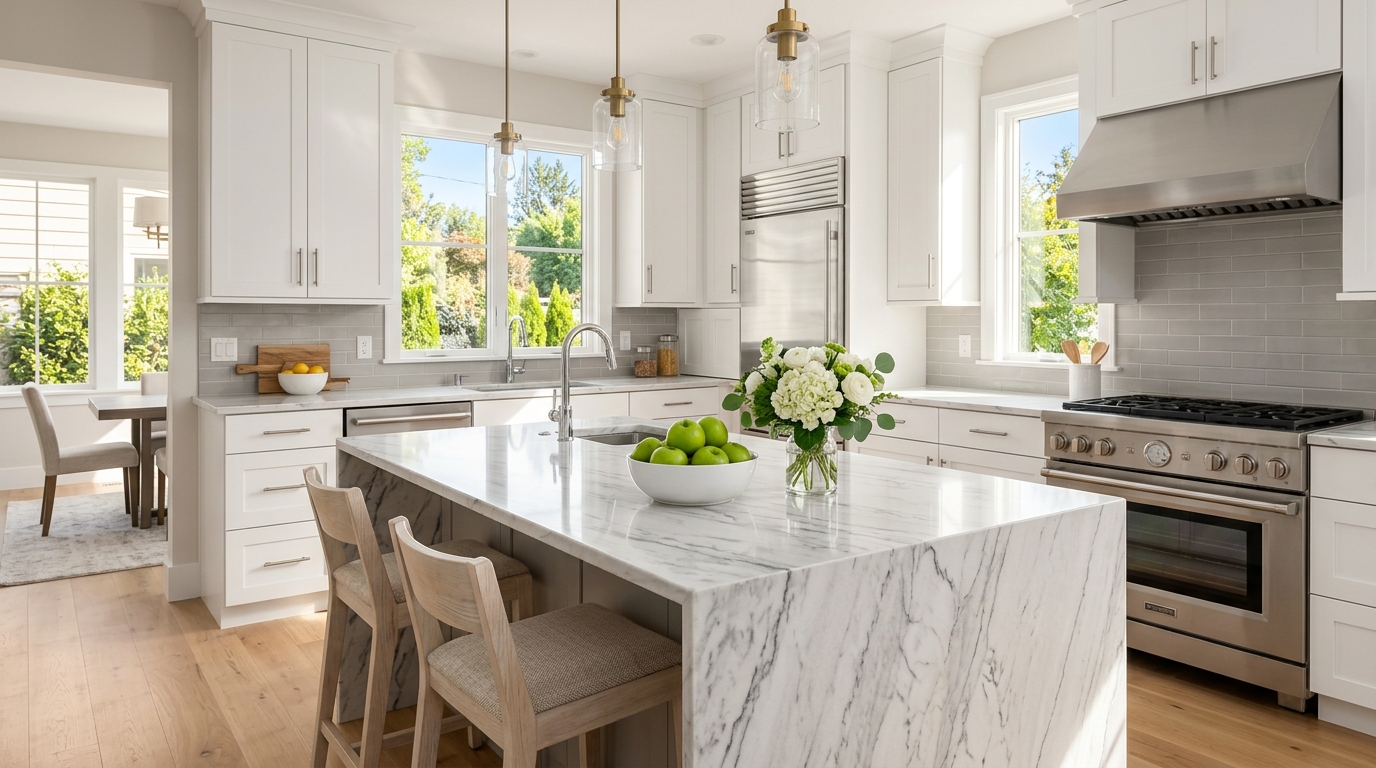
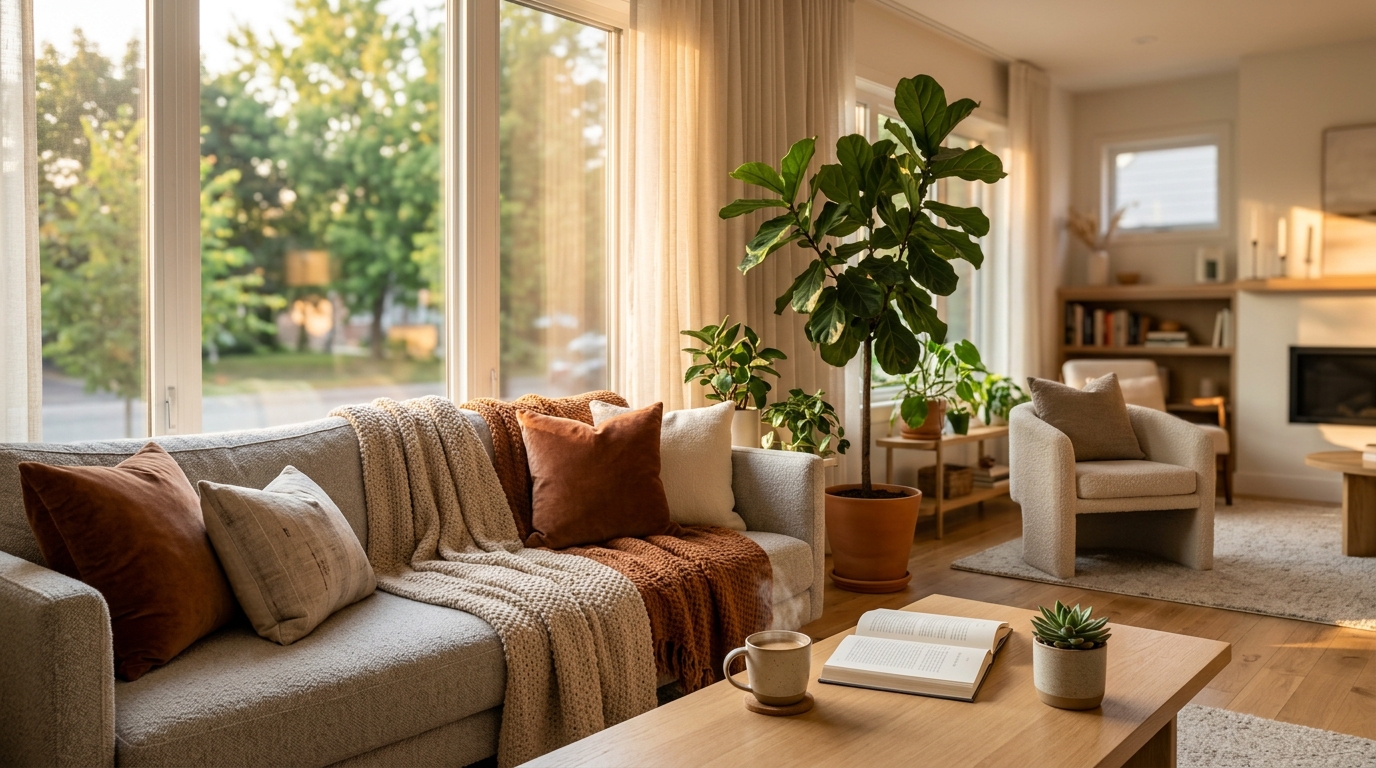
We’ve all been there. You’re sitting on your couch, scrolling through a real estate app, and suddenly you stop. You aren't looking at the square footage or the school district yet. You’re looking at a photo of a sun-drenched breakfast nook with a steaming cup of coffee and a half-read book. In that split second, you didn't just see a room; you saw a life. You felt the quiet of a Saturday morning. You felt at home.
That reaction isn't an accident. It’s the result of emotional visual triggers—specific elements in an image that bypass the logical brain and speak directly to the limbic system, the part of our mind responsible for emotions and decision-making. In the competitive world of real estate, understanding how to influence buyer psychology through visuals is the difference between a listing that lingers and one that sparks a bidding war.
The Science of First Impressions: Psychology 101 for Realtors
Research suggests that humans make a judgment within 1/10th of a second of seeing an image. In real estate, the neocortex (the logical part of the brain) wants to know about the price per square foot and the age of the HVAC system. However, the limbic system (the emotional part) decides if the house is a 'must-have' before the logic even kicks in. If you can win the emotional battle in the first few photos, the buyer will spend the rest of their time looking for reasons to justify that emotional connection.
1. The 'Golden Hour' Effect: Why Lighting Matters
Lighting is perhaps the most powerful emotional trigger in your arsenal. Cold, fluorescent lighting feels clinical and sterile—hardly the vibe you want for a cozy family home. On the other hand, warm, soft light suggests safety, comfort, and luxury.
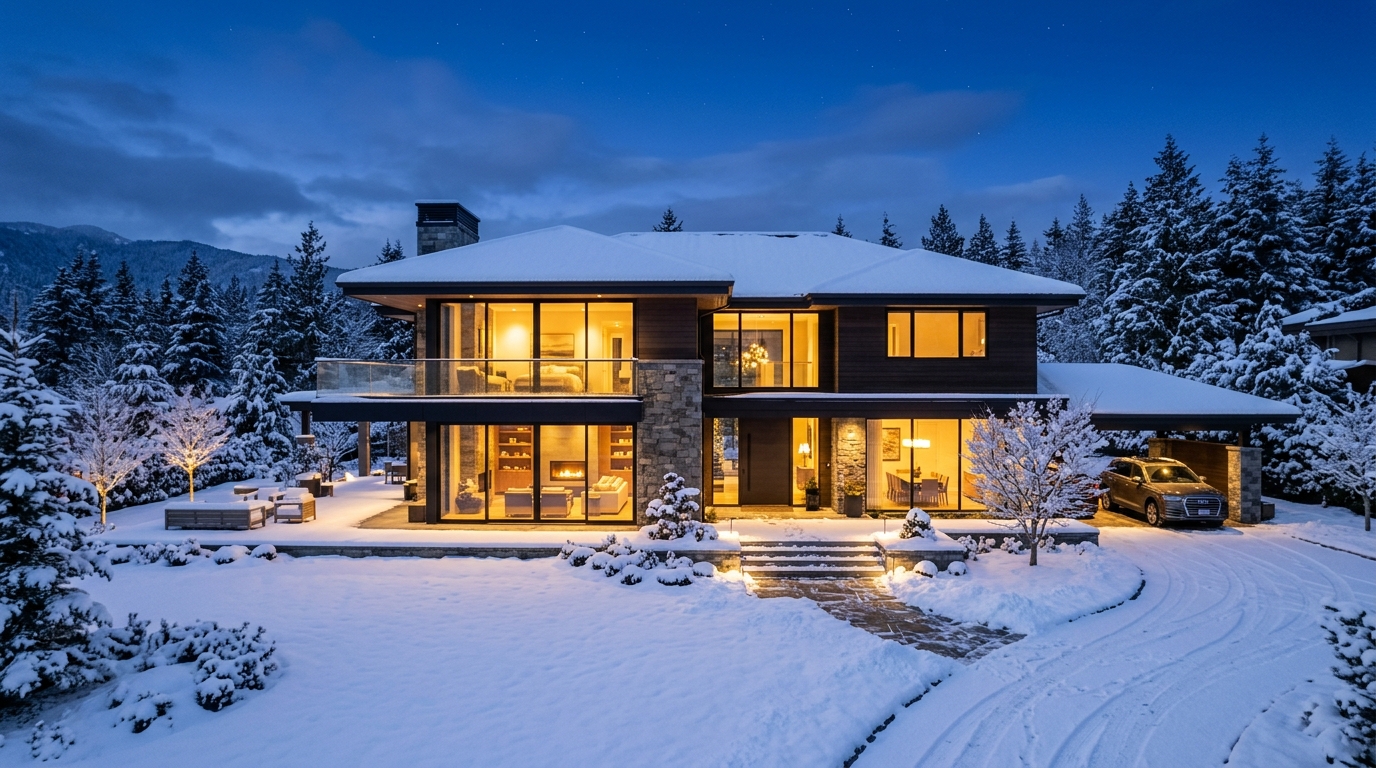
This is precisely why twilight photography increases listing views and buyer inquiries so effectively. When a home is captured during the 'blue hour' with its interior lights glowing warmly, it triggers a 'hearth and home' psychological response. It looks like a sanctuary. It suggests that the day’s work is done and it’s time to relax. That emotional pull is far stronger than a standard midday shot with harsh shadows.
2. Lifestyle Over Layout: Selling the Dream
Buyers don't just buy four walls and a roof; they buy a version of themselves. When you use lifestyle photography, you’re helping them visualize that identity. Instead of a wide-angle shot of a backyard, show a close-up of a fire pit with marshmallows ready for roasting. Instead of an empty bathtub, show a spa-like setup with rolled towels and a candle.
By incorporating these elements, you are leveraging lifestyle photography to tell a story that resonates with the buyer's aspirations. Are they the sophisticated entertainer? The outdoorsy adventurer? The nurturing parent? Your visuals should answer those questions before they are even asked. When a buyer sees themselves in your photos, the psychological 'endowment effect' begins to take hold—they start feeling a sense of ownership before they’ve even stepped foot on the property.
3. The Power of Staging: Removing the 'Mental Friction'
Empty rooms are a psychological hurdle. Most people struggle with spatial visualization; they can't tell if their king-sized bed will fit or how to layout a living room. This creates 'mental friction,' which leads to anxiety. Anxiety is the enemy of a sale.
Staging—whether physical or digital—removes this friction by providing a template for living. It gives the eye a place to rest and a scale to measure. When deciding on your strategy, it's worth weighing virtual staging vs. physical staging to see which fits your budget and target demographic. The goal is the same: to create a space that feels lived-in but aspirational. A well-staged home triggers the 'social proof' instinct—it looks like a place where someone successful and happy lives, making it more desirable to the buyer.
Common Visual Triggers and Their Psychological Impact:
- Open Curtains/Natural Light: Signals health, energy, and transparency.
- Greenery and Plants: Triggers a 'biophilia' response, reducing stress and suggesting a fresh, clean environment.
- Symmetry in Composition: Creates a sense of order, stability, and calm.
- Pop of Color (like a blue pillow or yellow flowers): Can evoke specific moods; blue for trust/calm, yellow for optimism.
4. Creating 'The Hero Shot'
Every listing needs a 'hero shot'—that one image so compelling it serves as the primary thumbnail and stops the scroll. This shot shouldn't just be 'the front of the house.' It should be the most emotionally evocative angle of the property. For a waterfront home, it might be the view from the primary bedroom. For a mountain cabin, it might be the stone fireplace.
Think about the unique selling proposition (USP) of the home. If the home has a stunning architectural feature, use a drone or a creative angle to highlight it. You aren't just documenting the house; you're creating a piece of marketing art designed to trigger curiosity and desire.
5. The Psychology of 'Coming Soon' Visuals
Humans are hardwired to want what we can’t have yet. This is the psychology of 'scarcity' and 'anticipation.' By using high-quality teaser visuals in 'Coming Soon' marketing, you build a sense of mystery. A close-up of a high-end kitchen finish or a blurred shot of a stunning view can create more buzz than a full gallery of mediocre photos. It forces the buyer to fill in the blanks with their own imagination, which is almost always more perfect than reality.
Actionable Tips for Your Next Listing:
- Declutter ruthlessly: Clutter triggers cortisol (the stress hormone). A clean space triggers dopamine.
- Focus on 'Vignettes': Don't just do wide shots. Capture small, beautiful details that suggest a lifestyle.
- Check your 'Curb Appeal' psychology: Is the front door a welcoming color? Is the walkway clear? The transition from the street to the home is a psychological bridge.
- Use Video Walkthroughs: Video adds a temporal element to the psychology, allowing buyers to 'experience' the flow of the home, which builds a deeper cognitive map of the space.
Final Thoughts: Emotional ROI
In the end, real estate is a high-stakes emotional transaction disguised as a financial one. By mastering emotional visual triggers, you aren't just 'taking pretty pictures.' You are strategically managing the buyer's journey from the first click to the final signature. You are reducing their anxiety, fueling their aspirations, and ultimately, making it easier for them to say 'yes.'
Ready to elevate your listing presentation? Focus on the feelings, not just the features. When you sell the feeling, the house sells itself.