How to Use Professional Floor Plans to Win More Listing Leads
The Secret Weapon for Listing Presentations and Dominating the Local Real Estate Market
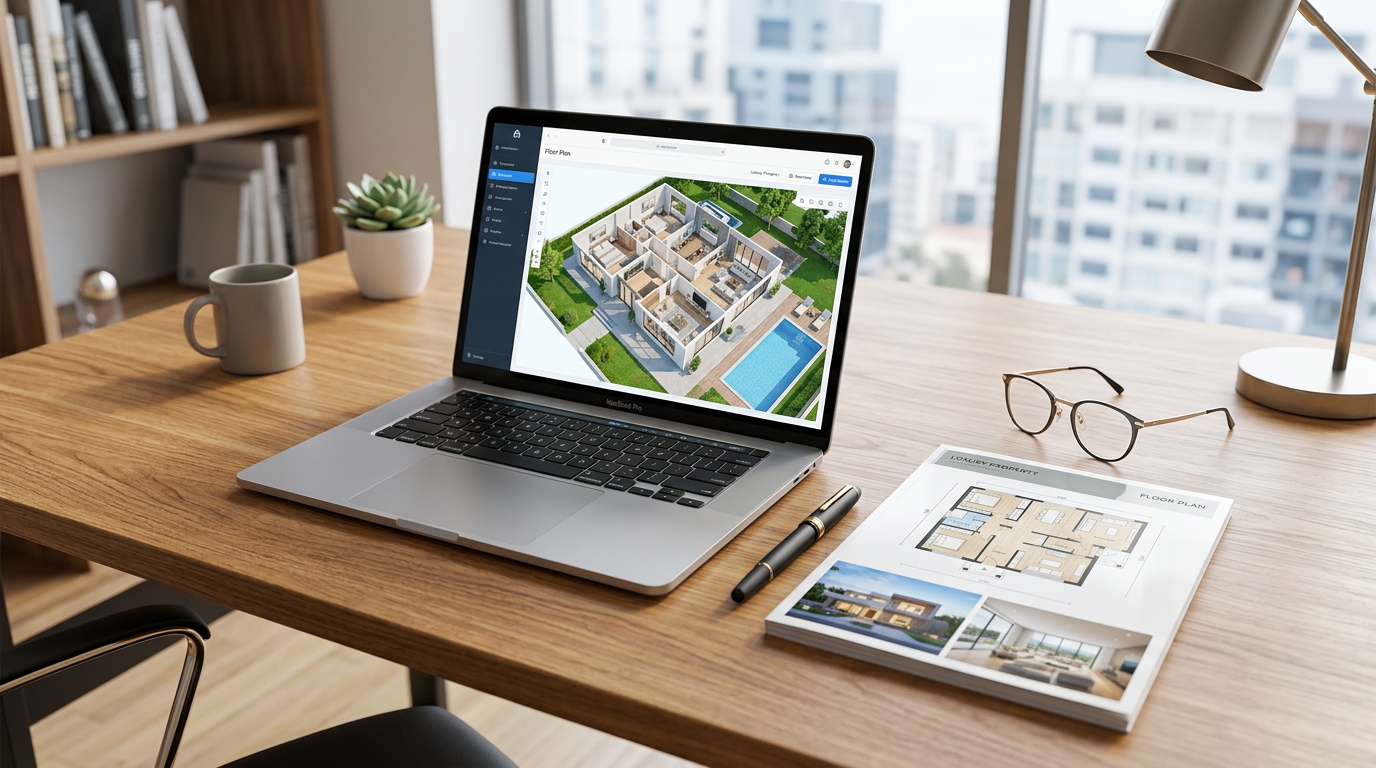
The Missing Link in Your Real Estate Marketing Strategy
You’ve been there before. You’re sitting at a kitchen table, competing against two other top-producing agents for a high-value listing. You’ve got your comps ready, your marketing deck looks sharp, and your track record is solid. But the sellers ask that one question that makes every agent sweat: "What are you going to do differently to make our home stand out?"
If your answer is just "professional photos and a sign in the yard," you’re leaving money on the table. In a market where every listing looks the same on a smartphone screen, professional floor plans have become the ultimate differentiator. They aren't just a courtesy for buyers; they are a high-conversion tool designed to win you more listing leads and close deals faster.
According to recent industry data from Zillow, floor plans are the second most important feature on a listing, right after high-quality photos. In fact, more than 80% of buyers say they are more likely to visit a home if the listing includes a floor plan. If you aren't using them, you're essentially asking buyers to navigate a maze blindfolded. Let’s dive into how you can leverage this simple tool to dominate your local market.
Why Floor Plans are No Longer Optional
We’ve all seen those listings where the photos are beautiful, but you have no idea where the master bedroom is in relation to the nursery, or if the kitchen actually flows into the living room. This "spatial confusion" is a leading cause of buyer bounce rates. When a buyer can't visualize the flow of a home, they move on to the next listing.
Professional floor plans solve this problem instantly. They provide a structural blueprint that photos alone cannot convey. While 10 Real Estate Photography Tips That Sell Homes Faster will help you capture the aesthetic of a home, a floor plan captures its soul—the layout, the dimensions, and the potential. For agents, this means fewer "looky-loo" showings and more qualified buyers who already know the house fits their needs before they even pull into the driveway.
The Power of Spatial Visualization
Think about the last time you bought furniture. You didn't just look at a photo of a sofa; you checked the measurements to see if it would fit in your living room. Home buyers do the same thing on a much larger scale. They are mentally moving their lives into the property. Is there a spot for the home office? Will the dining table fit? A professional floor plan allows them to play "interior designer" from their couch, creating an emotional connection before the first showing.
Winning the Listing: The Presentation Strategy
How do you actually use floor plans to get more sellers to sign with you? It starts with your listing presentation. Most agents promise "exposure," but savvy sellers want to see a comprehensive marketing ecosystem. When you pull out a sample of a high-end, 2D or 3D floor plan, you are demonstrating a level of professionalism that goes beyond the industry standard.
This fits perfectly into your Personal Branding for Realtors: Stand Out & Attract Clients strategy. You aren't just another agent; you are a marketing specialist who understands that selling a home is about telling a complete story. You can tell a seller, "I don't just show people what your home looks like; I show them how it lives."
The "Sight Unseen" Advantage
In a world of global relocation and remote work, many buyers are purchasing homes from three states away. For these clients, a floor plan is a non-negotiable requirement. By offering this, you're telling the seller that you are marketing their home to the widest possible audience—including the high-net-worth buyer who might be moving for a job and doesn't have time for ten weekend tours.
Converting Online Traffic into Qualified Leads
Let’s talk about the "lead" aspect. Every time someone clicks on your listing on the MLS or your personal website, you have about three seconds to grab their attention. High-quality visuals are the hook, but the floor plan is the sinker. It keeps people on the page longer. Longer "dwell time" on your website signals to search engines that your content is valuable, which boosts your local SEO.
Furthermore, floor plans are highly shareable. A buyer might text a photo of a kitchen to their spouse, but they will email a floor plan to their architect, their contractor, or their parents. This increases the organic reach of your listing without you spending an extra dime on ad spend.
The Psychology of the "Yes"
Understanding Buyer Psychology Secrets: Close More Real Estate Deals Faster is about removing friction. The biggest point of friction in a real estate transaction is uncertainty. "Is the house big enough?" "Does the layout make sense?" A professional floor plan removes that uncertainty. It provides the logic to back up the emotional response triggered by your photography. When logic and emotion align, you get an offer.
Types of Floor Plans: Which One is Right for Your Listing?
Not all floor plans are created equal. Depending on the price point and the target demographic, you might choose different styles:
- Standard 2D Black and White: Clean, professional, and easy to read. These are great for every listing, from entry-level condos to suburban family homes. They provide clear measurements and room labels.
- 2D Full Color: These add a layer of depth, often showing flooring types (like wood or tile) and furniture placement. These are excellent for helping buyers visualize the function of each space.
- 3D Floor Plans: These provide a "dollhouse" perspective. They are incredibly engaging and work wonders for luxury listings where the architectural detail is a major selling point.
- Interactive Floor Plans: The gold standard. These allow users to click on a room in the floor plan to see the corresponding professional photo. It’s an immersive experience that keeps buyers engaged for minutes, not seconds.
Implementation Checklist for Your Next Listing
Ready to start winning more leads with floor plans? Here is a simple checklist to follow for your next listing:
- Hire a Professional: Don't try to sketch it on a napkin or use a clunky app that produces distorted lines. Professionalism matters.
- Include Dimensions: Buyers want to know if their California King bed will fit. Don't leave them guessing.
- Integrate with Your MLS: Ensure the floor plan is uploaded as an image in the gallery AND as a supplement document.
- Social Media Teasers: Post a snippet of the floor plan on Instagram or Facebook with a caption like, "Can you spot the hidden gem in this layout?"
- Print for Open Houses: Have physical copies of the floor plan on the kitchen island. It gives buyers something to hold and take home to study.
The Bottom Line
In the competitive landscape of real estate, you are either the agent who does what everyone else does, or you are the agent who sets the pace. Professional floor plans are no longer a "luxury" add-on—they are a fundamental component of a modern, lead-generating marketing plan. They build trust with sellers, provide immense value to buyers, and ultimately, they make you look like the most prepared professional in the room.
Are you ready to take your listing presentations to the next level? Stop losing leads to agents who are out-marketing you. Start including professional floor plans in every listing and watch your conversion rates soar.
Elevate Your Listings Today
At The Listing Showcase, we specialize in helping realtors stand out with premium visual marketing. From high-end photography to precision floor plans, we provide the tools you need to win the listing and close the deal. Contact us today to see how we can transform your next property presentation.